 SEARCH

The Growing Impact of Food Inflation in Eagle County
For families across Eagle County, grocery shopping has become increasingly difficult.
Over the past several years, food prices have risen dramatically, affecting nearly every aisle of the grocery store. According to the U.S. Department of Agriculture, grocery prices increased more than 25% between 2019 and 2024, with some staple items rising even higher. Egg prices alone saw historic spikes over the past year, while the cost of meat, dairy, fresh produce, and pantry staples continues to fluctuate well above pre-pandemic levels. For many households, what once cost $150 at the grocery store now easily exceeds $200 for the same items.
At The Community Market, we are seeing the effects of food inflation firsthand.
Many community members share the same concerns: groceries that once lasted a full week now stretch only a few days. Fresh fruits and vegetables feel harder to afford. Protein-rich foods like eggs, chicken, and beef have become luxury purchases for some households. Parents are making difficult choices at the checkout line, often putting nutritious items back on shelves in order to stay within budget.
Food inflation impacts more than household finances. It affects health, stress levels, and overall wellbeing.
Nationally, food-at-home prices have consistently outpaced wage growth for many working families, particularly in high-cost communities like Eagle County where housing and transportation costs already consume a large portion of household income. According to Feeding America, food insecurity rates remain elevated as families continue struggling to keep up with the rising cost of basic necessities.
When healthy food becomes too expensive, families often shift toward cheaper, more processed options simply to make ends meet. Seniors living on fixed incomes may skip meals or reduce portions to preserve groceries longer. Families working multiple jobs are still struggling to keep refrigerators stocked. For households with children, the summer months can create even greater pressure when school meals are unavailable.
As demand continues to rise, The Community Market remains committed to ensuring local families have access to nutritious food with dignity and choice.
Through our customer-choice markets in Edwards and Gypsum, mobile markets throughout the county, youth nutrition programs, and senior food support, we are helping offset the growing burden of rising grocery costs. Last year alone, The Community Market distributed more than 1.6 million pounds of food — equivalent to over 1.4 million meals — directly back into the community.
Fresh food access remains a major priority.
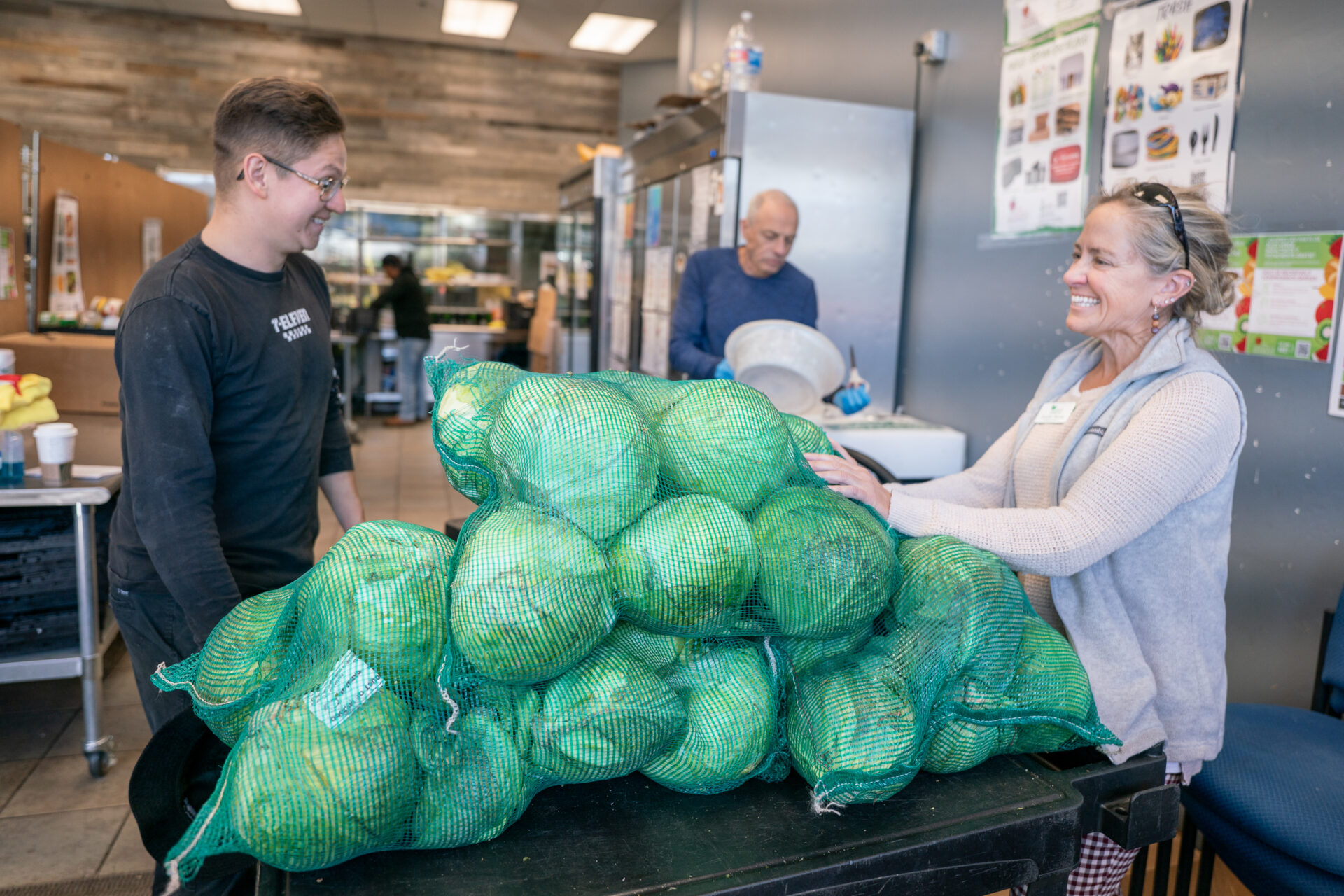
Even as food prices rise, The Community Market works to provide produce, dairy, meat, pantry staples, and culturally relevant foods that support both nutrition and dignity. Partnerships with local grocery stores, restaurants, farmers, and food recovery initiatives also help rescue high-quality food that might otherwise go to waste. Last year, more than 650,000 pounds of food were recovered and redistributed to families across Eagle County.
Food inflation is not simply an economic issue — it is a community issue.
Reliable access to groceries creates stability for families. It allows parents to focus on work and childcare, helps children stay nourished and ready to learn, and supports healthier outcomes for seniors and individuals managing chronic health conditions. In a time when many households are feeling financial pressure from every direction, access to nutritious food can provide both relief and hope.
Community support makes this work possible. Every volunteer hour, food donation, and financial contribution helps ensure neighbors across Eagle County can continue accessing the food they need during a time of rising costs and growing uncertainty.
Together, we are helping build a healthier, more resilient community where no family has to face food insecurity alone.