 SEARCH

Seven Years of Nourishing Our Community: The Story of The Community Market
Seven years ago, The Community Market began with a simple but ambitious belief: everyone in our community deserves access to fresh, nutritious food, regardless of their circumstances.
What started in a Gypsum warehouse has grown into one of Eagle County’s most essential community resources. Today, The Community Market serves more than 6,000 people each week through two storefront locations, Mobile Markets, school and senior programs, food rescue partnerships, community education, and a growing network of services designed to meet people where they are.
Even as the program has expanded, its purpose has remained the same: ensuring that no neighbor has to choose between buying groceries and paying for housing, transportation, health care, child care, or other essential expenses.
A New Vision for Food Access
The Community Market’s story began under the leadership of renowned chef Kelly Liken.
When Kelly joined Eagle Valley Community Foundation, she brought more than culinary expertise. She brought a vision for transforming the traditional food bank experience into something grounded in quality, choice, sustainability, and dignity.
The former Eagle River Valley Food Bank became The Community Market, a name that reflected the experience the program wanted to create. Rather than receiving a predetermined box of groceries, customers could shop for the foods their households needed and enjoyed. The shelves prioritized fresh produce, meat, dairy, bread, culturally familiar ingredients, and nutritious staples.
This customer choice model recognized something important: people experiencing food insecurity still deserve autonomy. Families know what they will eat, what works for their health needs, and what allows them to prepare meaningful meals at home.
Kelly also recognized the tremendous opportunity presented by food rescue. Grocery stores, restaurants, farms, hotels, and other food businesses frequently had high quality food that could no longer be sold but was still safe and nutritious. By building relationships with these partners, The Community Market could keep good food out of landfills while placing it directly into the hands of local families.
That early vision established the principles that continue to guide The Community Market today: healthy food, personal dignity, environmental responsibility, and the belief that stronger food systems create stronger communities.
Responding When Our Community Needed Us Most
When COVID 19 reached Eagle County, the need for food assistance changed almost overnight.
Businesses closed, employees lost hours, and families who had never needed support before suddenly faced uncertainty about how they would afford groceries. The Community Market responded quickly, expanding food distribution and developing new ways to reach people safely.
Partnerships with local restaurants became an important part of that response. Restaurant kitchens prepared complete meals for community members while The Community Market helped coordinate distribution. These partnerships provided nourishing food to families while also supporting local restaurants and their employees during an extraordinarily difficult period.
Staff members adapted operations, volunteers stepped forward, donors responded generously, and community partners worked together to ensure that food continued reaching families.
The pandemic demonstrated what has always been at the heart of The Community Market: when our community faces a challenge, people come together.
What began as an emergency response also helped shape the program’s future. The Community Market strengthened its distribution systems, expanded relationships across the valley, and learned how to reach more people in more locations. Many of those lessons continue to influence the program today.
Turning Excess Into Access
Food rescue remains central to The Community Market’s work.
Through partnerships with grocery stores, restaurants, hotels, schools, farms, and food businesses, staff members and volunteers collect nutritious products that might otherwise go to waste. The food is quickly transported, sorted, and distributed through The Community Market’s storefronts, Mobile Markets, school programs, and other community partnerships.
This work addresses two challenges at once. It increases access to healthy food while reducing the environmental consequences of food waste.
Food rescue also allows The Community Market to offer a greater variety of products. Fresh produce, dairy, meat, bread, prepared foods, and other valuable items can be placed into the hands of families instead of being discarded.
The program’s REcover initiative has helped expand these efforts by creating more opportunities for local businesses, volunteers, and community partners to participate. Through these partnerships, excess becomes access and food that may have been wasted instead becomes part of a family’s next meal.
The Community Market also works to use resources responsibly throughout the entire food cycle. Food that is safe and appropriate feeds people first. Other products may support local animals, while remaining organic materials can be composted and returned to the soil.
It is a community food system designed to preserve dignity, reduce waste, and make the best possible use of every available resource.
Growing Food and Connection
The addition of The Community Market Garden created another meaningful way to nourish the community.
The garden produces fresh herbs and vegetables that are distributed to customers at no cost. It also creates opportunities for volunteers, students, staff members, and community partners to learn about gardening, nutrition, sustainability, and the cultural significance of food.
The produce grown in the garden reflects the families who shop at The Community Market. Ingredients such as epazote provide nutritional value while also offering a connection to familiar recipes and cultural traditions.
This is an important reminder that food access is about more than providing calories. It is also about culture, comfort, identity, health, and belonging.
The garden has become a place where people can learn, contribute, and see the direct connection between healthy soil, fresh food, and a thriving community. It represents what The Community Market continues to become: not only a place to receive food, but a space for education, participation, and connection.
Growing Leaders From Within
One of the most meaningful parts of The Community Market’s evolution has been watching staff members grow into organizational and community leaders.
Veyra’s journey reflects that growth.
Through years of serving customers, building relationships, supporting staff, overseeing complex operations, and responding to changing community needs, Veyra has become a trusted leader within The Community Market and Eagle Valley Community Foundation.
Her leadership is grounded in a deep understanding of the families the program serves. She recognizes that dignity is often found in the smallest details: offering foods families recognize, welcoming every customer without judgment, listening when needs change, and creating an environment where each person feels respected.
Veyra also understands that The Community Market must continue to evolve alongside the community. Rising housing costs, food inflation, transportation challenges, and other financial pressures mean that even working families can struggle to afford enough healthy food.
Her leadership helps ensure that the program remains responsive, accessible, and centered on the voices of those it serves.
Veyra’s story demonstrates the importance of investing in people from within our own community. The Community Market does more than distribute food. It creates opportunities for staff members, volunteers, customers, and partners to develop their voices, share their expertise, and help guide the program’s future.
Seven Years of Community
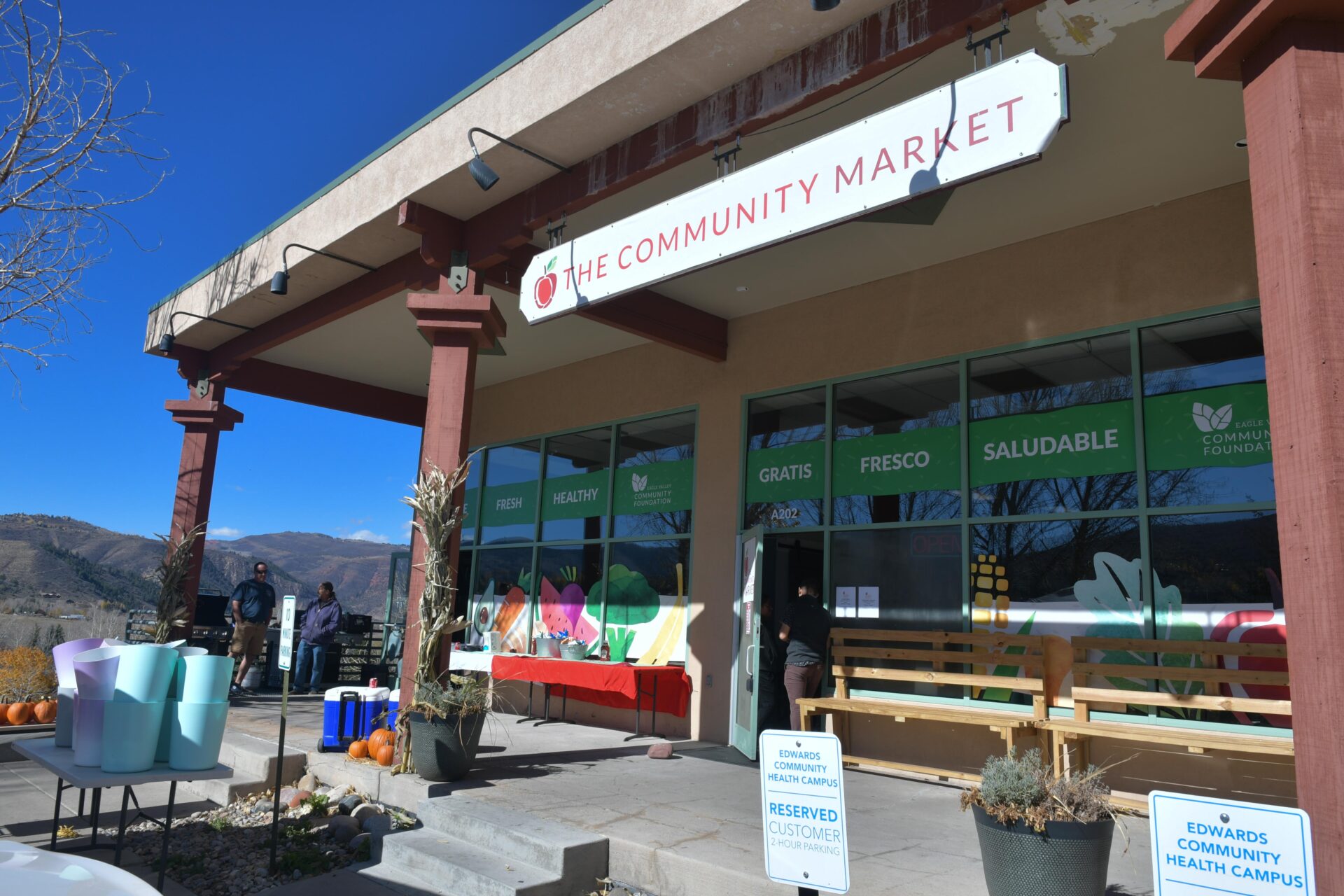
Today, The Community Market operates customer choice markets in Gypsum and Edwards, along with Mobile Markets and pop up distributions throughout the region. The program supports children through school food programs, reaches older adults through senior initiatives, rescues food from community partners, grows fresh produce, and shares practical nutrition and cooking education.
Together, these efforts now serve more than 6,000 people each week.
Behind that number are thousands of individual stories.
There is a parent preparing a nutritious dinner for their children. A student arriving at school ready to learn. A senior stretching a fixed income. A seasonal worker navigating changes in employment. A family using the money saved on groceries to pay rent, purchase medication, repair a vehicle, or cover child care.
The Community Market helps provide more than food. It creates breathing room in household budgets and stability during times of uncertainty.
As we celebrate seven years of The Community Market, we honor Kelly Liken’s early vision, the staff and volunteers who carried the program through the COVID years, the restaurants and businesses that provided meals and rescued food, the donors who continue to invest in this work, and leaders like Veyra who are shaping its next chapter.
Most importantly, we honor the thousands of community members who have trusted The Community Market and helped make it better through their participation, feedback, resilience, and leadership.
The Community Market has grown considerably in seven years, but its promise remains beautifully simple.
Fresh, nutritious food should never be a privilege. Every person deserves to be welcomed with dignity. And when a community shares what it has, everyone becomes stronger.