 SEARCH

From Rescue to Table: Behind the Scenes of Food Recovery
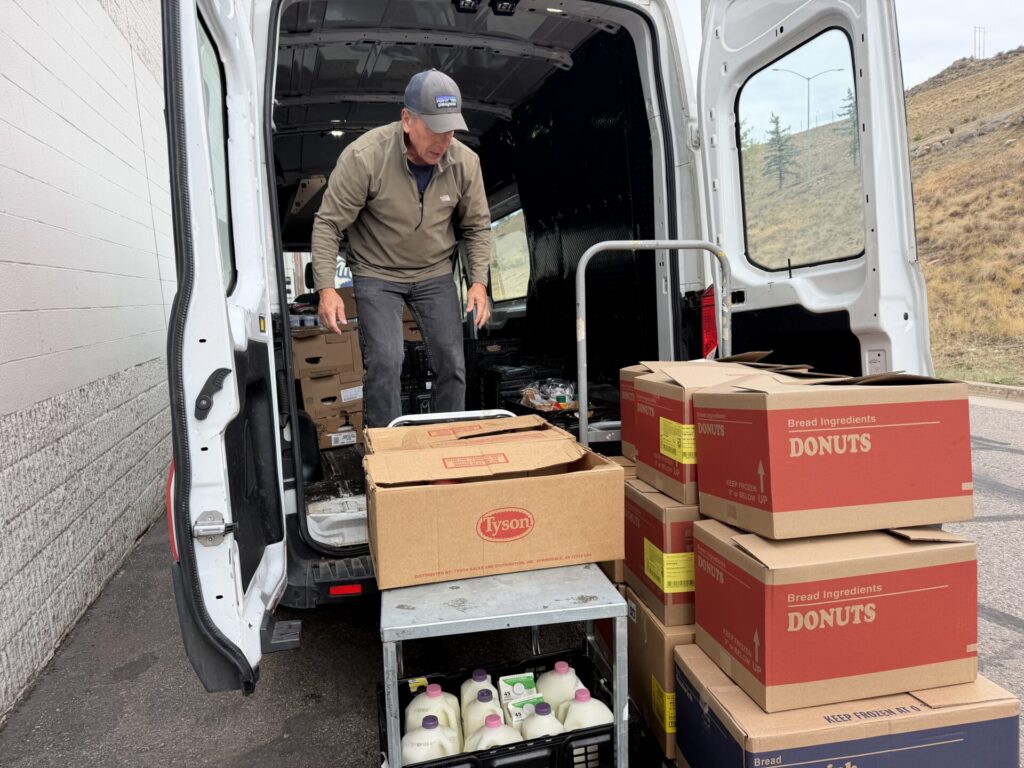
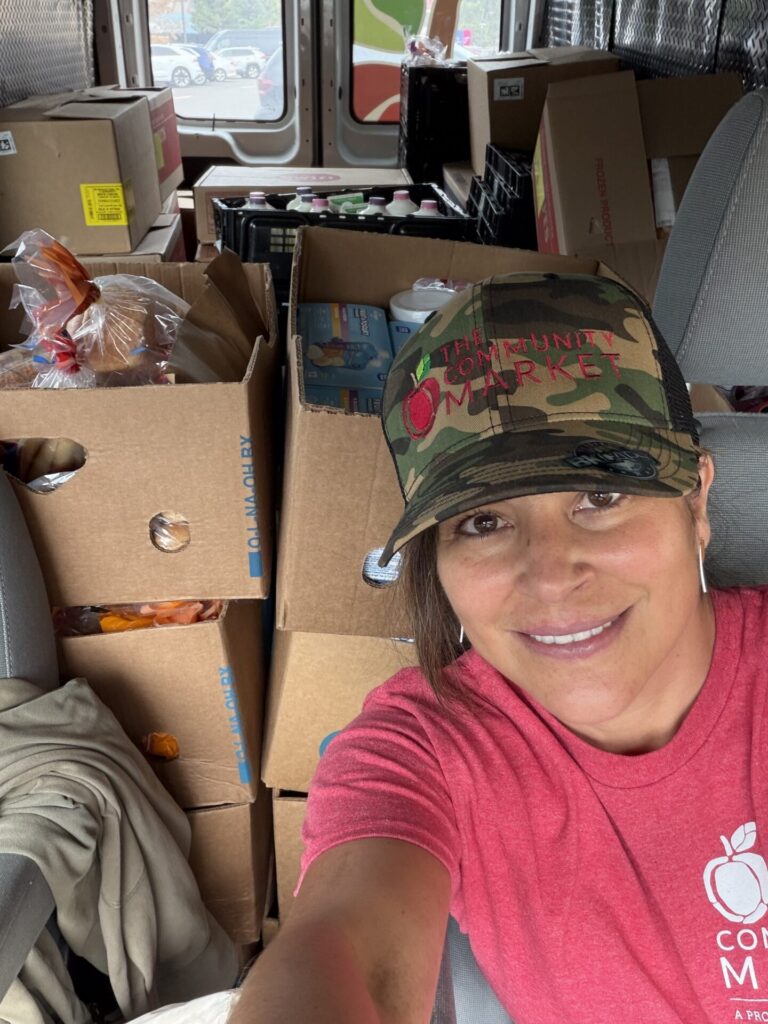
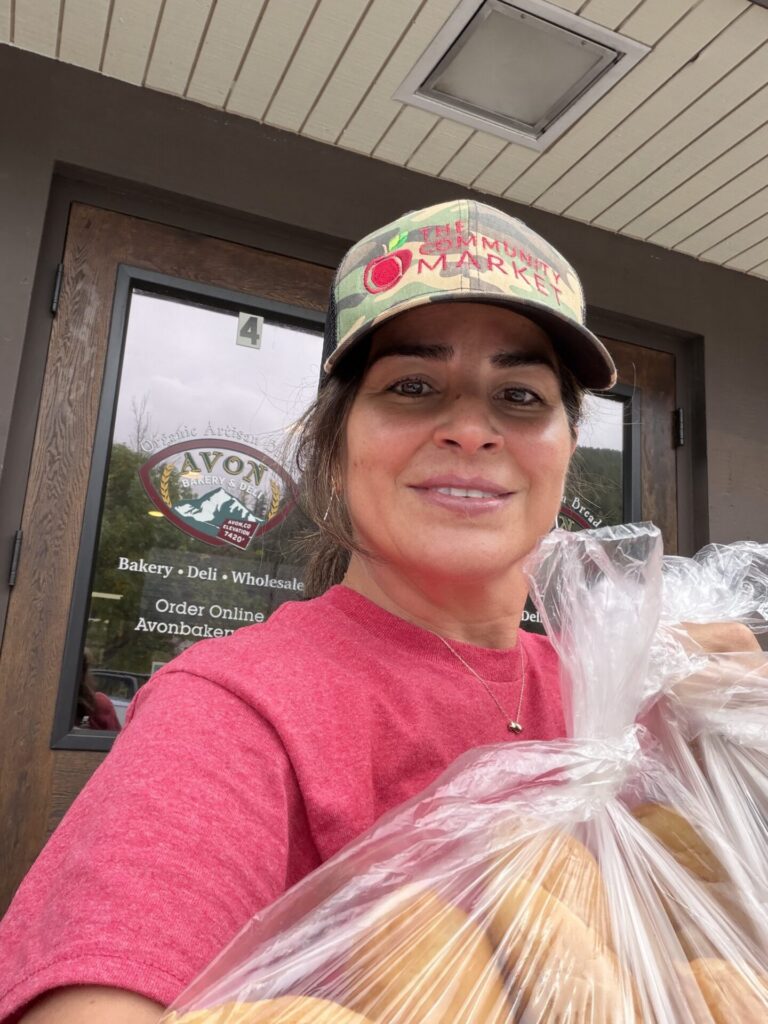
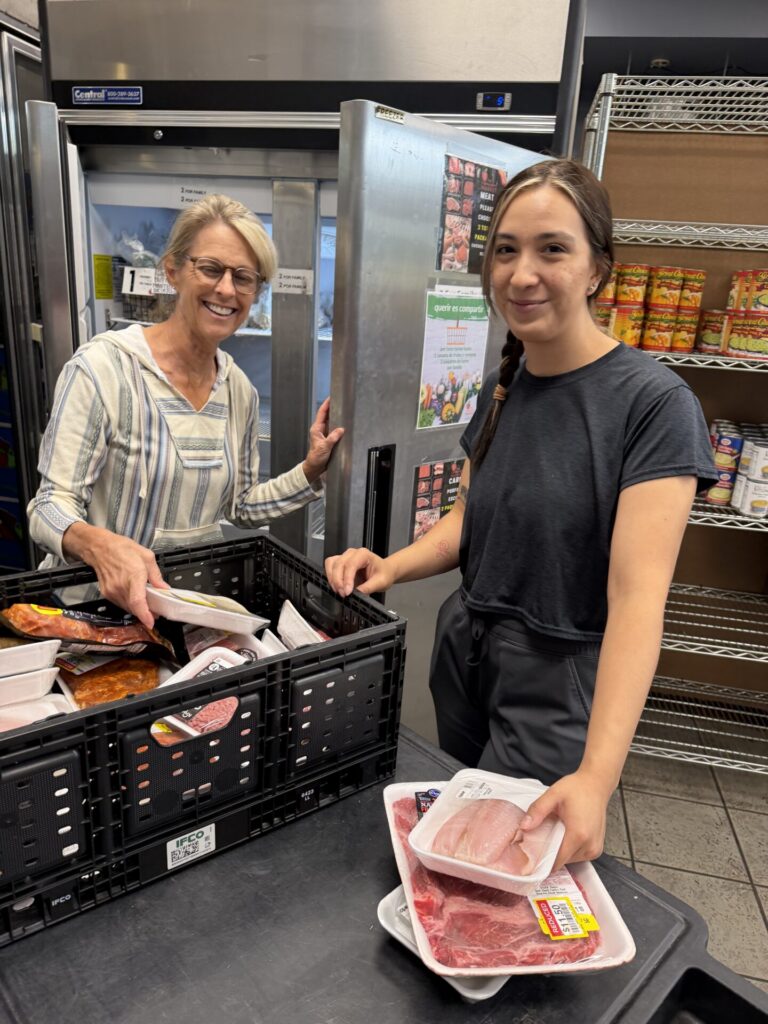
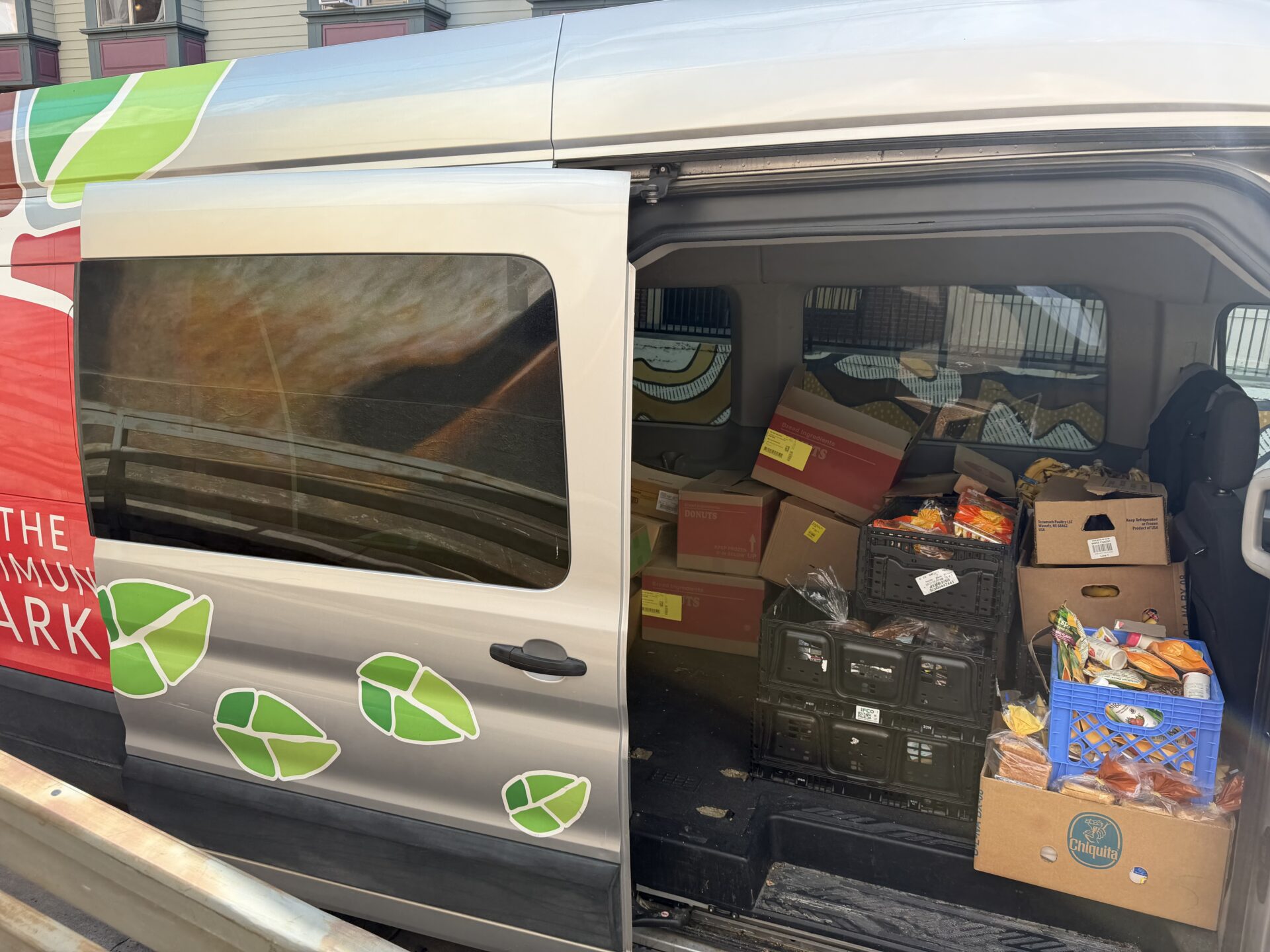
Food Waste Prevention Week is almost here! From September 28 through October 4, 2026, communities across the country will raise awareness about food waste and the many ways we can keep good food from going to landfills. At The Community Market, that work happens every week through a food recovery program that transforms surplus food into nourishment for local families.
Before The Community Market’s shelves are stocked each morning, an important journey is already underway.
Staff and volunteers travel to local grocery stores, bakeries, restaurants, and other food businesses to collect products that can no longer be sold but remain fresh, safe, and nutritious. Each donation is transported back to The Community Market, where it is carefully inspected, sorted, and prepared for distribution. Items are then stocked in our customer-choice markets or shared through mobile and community programs, giving neighbors the freedom to select the foods that best meet their families’ needs.
Recently, Eagle Valley Community Foundation Executive Director Melina Valsecia joined the food recovery team so other staff members could attend an awards ceremony. Her route included seven large and small grocery stores and bakeries—and offered a firsthand look at the relationships and teamwork behind every rescue.
“Working with The Community Market’s food recovery program was incredible, insightful, and rewarding. The staff at each business were so kind and complimentary of what The Community Market does for our community. The quality and quantity of food we recovered—including meat, eggs, milk, and household staples—was remarkable. These partnerships are truly a blessing, and we could not do this work without these donations.”
—Melina Valsecia, Executive Director
Food recovery is about more than filling shelves. It reduces waste, protects natural resources, strengthens relationships with local businesses, and helps make high-quality food available up to 6,000 community members served by The Community Market each week.
The need for this work extends far beyond Eagle County. The U.S. Department of Agriculture estimates that 30% to 40% of the nation’s food supply is wasted. Meanwhile, food represents approximately 24% of the material sent to municipal landfills, where it produces methane as it decomposes.
“Volunteering with food recovery gives you a perspective that is not often seen or discussed,” Melina shared. “There is so much good food that could otherwise be wasted. The Community Market is helping keep that food out of the landfill and ensuring it reaches people who can enjoy it.”
This work is one example of why The Community Market is more than a food pantry. It is part of a coordinated local food system—one powered by generous business partners, dedicated staff, committed volunteers, and a shared belief that good food should nourish people, not landfills. Every rescue transforms potential waste into fresh meals, greater dignity, and meaningful community impact.