 SEARCH
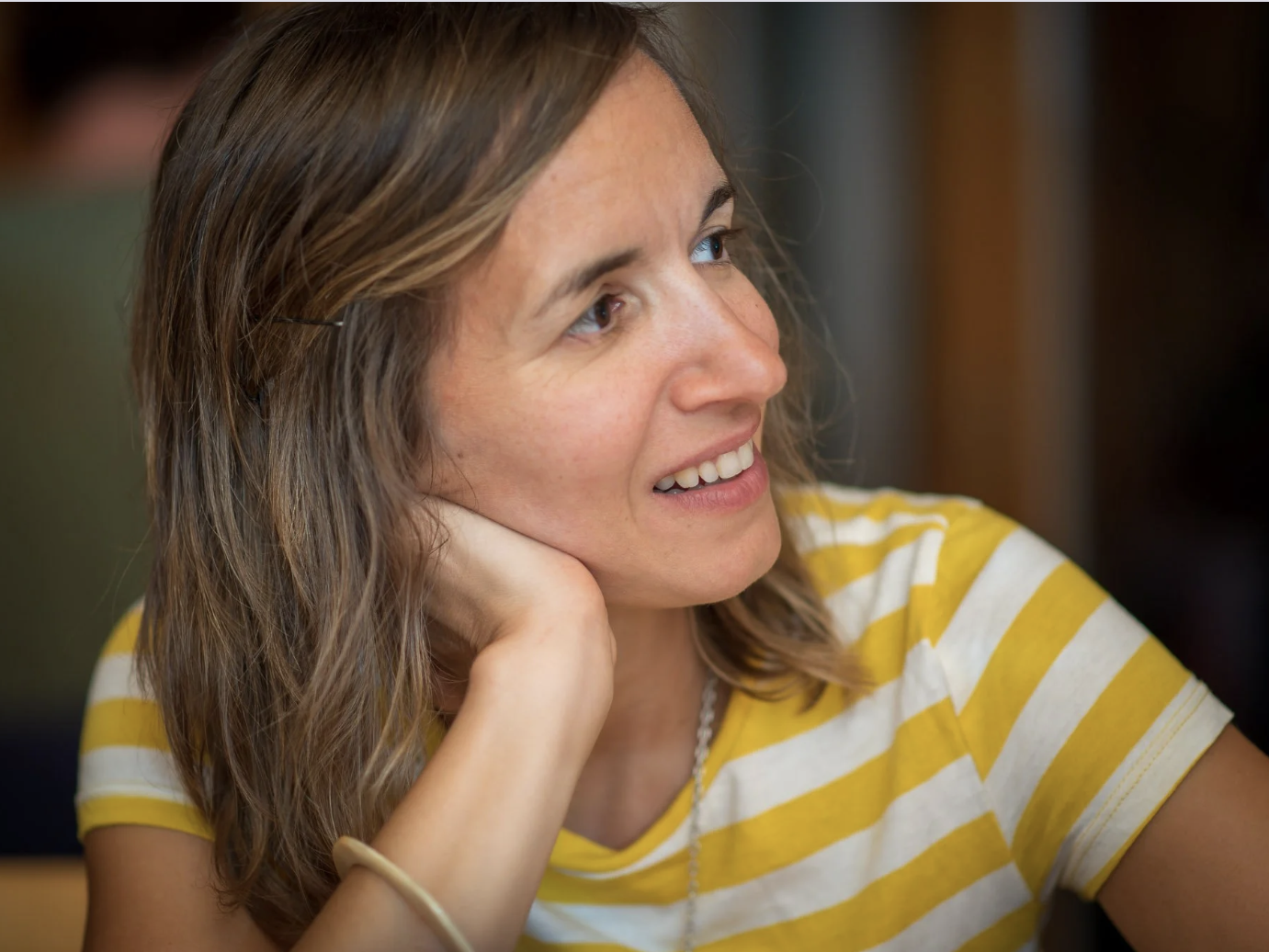

Care in the Language of Home: Meet Valeria Rojo
For Valeria Rojo, LCSW, PMH-C, behavioral health care is personal. Through MIRA Esperanza, she helps people find support that feels accessible, compassionate, and truly their own.
At 18, while living in Argentina, Valeria Rojo sought therapy for panic attacks. Her psychologist introduced her to tools like therapy and meditation that changed her life—and helped her recognize a calling she would return to years later.
“Behavioral health is my true passion,” Valeria says. After moving to the United States, she first took a different career path. But her work with AmeriCorps and an organization helping New Yorkers access public benefits brought her back to the work she felt she was meant to do: social work.
Today, Valeria brings that experience and passion to MIRA Esperanza, where she provides mental health support to people in the community.
“Working with MIRA Esperanza is deeply meaningful to me because it allows me to combine my passion for mental health with serving a community that truly needs compassionate, accessible care.”
For many people, cost can make therapy feel out of reach. Taking the first step can be difficult, too. The MIRA Bus helps make that step feel more approachable by offering in-person information and connections, so someone doesn’t have to begin by calling a provider they’ve never met.
“Seeking help requires immense courage,” Valeria says. “Outreach efforts like the MIRA Bus make taking that first step much easier.”
Feeling understood matters just as much as finding care. Valeria has heard from clients who previously relied on translation services and felt they couldn’t fully express themselves or connect with a therapist. When people can speak in their preferred language, they can participate more fully in the work of therapy.
“Effective therapy relies on connection, understanding, and support,” she says. “When clients receive care in their preferred language, they are truly able to engage in the therapeutic process.”
Over seven years of working with rural communities, Valeria has seen how access to care can change a person’s life. One client came to therapy while coping with the lasting effects of severe trauma. With support, they gradually regained stability, returned to full-time work, and reconnected with loved ones.
Valeria hopes people understand that therapy can be helpful well before someone reaches a crisis. It can offer space to practice setting boundaries, build self-esteem, strengthen relationships, work on parenting skills, and support overall well-being.
“Therapy isn’t only for times of extreme crisis or overwhelming symptoms,” she says.
That support can reach beyond one person. When parents have help managing depression or stress, they may be better able to show up for their children. Valeria wants donors to know that making mental health care accessible can have a lasting impact across generations.
“When someone receives mental health care, it transforms not only their life, but their family’s future,” she says. “Donor support protects children, strengthens families, and builds a healthier next generation.”