 SEARCH

Coverage Changes Everything
For many Hispanic families in Eagle County, health insurance has historically felt out of reach — confusing systems, language barriers, fear about eligibility, and lack of trusted guidance often stand in the way.
Through the Mobile Intercultural Resource Alliance (MIRA), Eagle Valley Community Foundation is changing that reality. By bringing free, bilingual insurance enrollment directly into neighborhoods, storefronts, and trusted community spaces, MIRA ensures families understand their options and can confidently access coverage for themselves and their children.
A Story of Stability and Trust
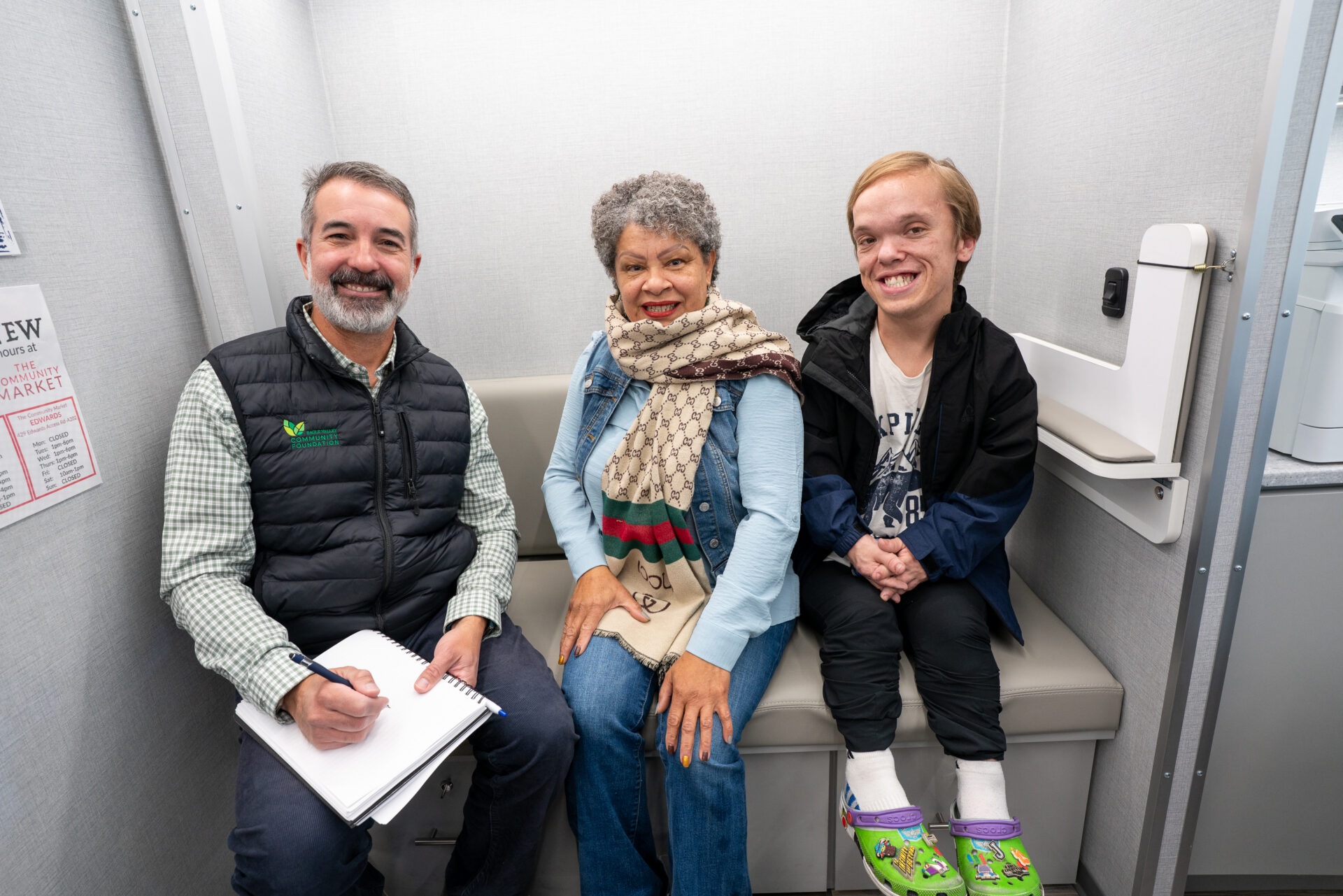
When María (name changed for privacy) first stepped onto the MIRA bus, she had lived in Eagle County for nearly eight years without health insurance. She worked full time in hospitality but did not receive employer-sponsored coverage. She assumed she would not qualify for assistance and worried that applying could jeopardize her family.
Over the years, she delayed preventive care, paid out of pocket for urgent visits, and avoided scheduling follow-up appointments even when recommended. A minor health issue turned into chronic pain simply because she did not feel safe navigating the system.
During her appointment with MIRA’s bilingual health navigator, María learned she qualified for coverage through Omnisalud. The process was explained in Spanish, her questions were answered clearly, and she was supported step by step through enrollment.
Two months later, she returned — not for enrollment help, but to share her gratitude. She had completed her first annual physical in years. She scheduled follow-up care. She felt, in her words, “tranquila.”
That word — calm, steady, secure — reflects what coverage truly provides.
Insurance is not just a policy. It is access to preventive care, early diagnosis, chronic disease management, and financial protection from medical debt.
Why Coverage Matters in Hispanic Communities
National and state data consistently show that Hispanic communities experience disproportionately higher uninsured rates compared to non-Hispanic white populations. Contributing factors include:
- Employment in industries less likely to offer employer-sponsored insurance
- Language barriers during enrollment
- Immigration-related fears or confusion about eligibility
- Lower average household incomes
- Limited access to culturally responsive enrollment assistance
Research shows that when Hispanic adults gain health insurance coverage:
- They are significantly more likely to access preventive screenings
- Chronic conditions such as diabetes and hypertension are better managed
- Emergency room utilization decreases
- Medical debt and financial instability decline
- Children are more likely to receive regular pediatric care and vaccinations
In Colorado, expanded programs such as Omnisalud have been critical in reducing uninsured rates among immigrant and mixed-status families. However, eligibility alone is not enough. Trusted, community-based navigators are essential to bridge the gap between policy and participation.
That is where MIRA plays a vital role.
The Impact of MIRA’s Enrollment Work
Insurance enrollment remains one of MIRA’s highest-demand services. Over the past year:
- Hundreds of individuals have been screened for Medicaid, CHP+, Marketplace, and Omnisalud eligibility
- A significant portion of clients served identify as Hispanic/Latino
- Many clients enrolling are first-time insured adults
- Ongoing follow-up support ensures families maintain coverage and renew successfully
For many families, enrollment is only the beginning. MIRA also helps clients:
- Select primary care providers
- Understand how to use their insurance
- Schedule preventive appointments
- Navigate billing questions
- Access specialty referrals
This wraparound support is especially critical in rural mountain communities, where transportation, work schedules, and system navigation barriers are amplified.
Coverage as a Social Determinant of Health
Health insurance is one of the strongest predictors of long-term health outcomes. When families have coverage, they are more likely to seek care early, maintain employment, and remain financially stable.
At Eagle Valley Community Foundation, we recognize that food security, healthcare access, and economic opportunity are deeply interconnected. Through MIRA, we are building a model rooted in trust, language access, and neighborhood-based care — ensuring Hispanic families are not only eligible for coverage, but fully supported in accessing it.
Because in our valley, everyone deserves the opportunity to feel safe, protected, and well.