 SEARCH

One Year Later: The Impact of SNAP Cuts
A year ago, uncertainty about November SNAP benefits reached families across the country and right here in Eagle County. People wondered whether their benefits would arrive, how long groceries would need to last, and where they could turn if the money on their EBT card didn’t come through.
Many of you responded by supporting Eagle Valley Community Foundation and The Community Market. Some of you were giving to us for the first time. You helped us meet an urgent need and reminded local families that their community was standing with them. Thank you.
The immediate disruption passed, but food costs and household pressures remain. And changes to SNAP are expected to affect families well beyond that moment last fall.
Why SNAP matters
SNAP is the nation’s largest nutrition assistance program. In fiscal year 2025, it served an average of 42.1 million people each month—about 12.3% of the U.S. population. That includes children, working adults, older adults, and people with disabilities.
The need for food assistance was already significant. USDA estimates that in 2024, 13.7% of U.S. households—18.3 million households—experienced food insecurity, meaning they had difficulty providing enough food for everyone in the household because of limited resources.
SNAP helps families buy food throughout the month and make difficult budgets stretch. When benefits are disrupted or reduced, households may have to make hard choices between groceries and other essentials, such as rent, utilities, transportation, or medicine. Those choices can affect more than what’s for dinner: consistent access to nourishing food matters for health, stability, and the ability to focus at work or school.
The changes enacted in 2025 are expected to make that support harder to access for some people and reduce benefit amounts for others. The Congressional Budget Office estimates the changes will lower SNAP spending by $211 billion over 2025–2035, in part by reducing participation and benefits. This is a projection of the law’s effects over time, not a tally of people who have already lost assistance.
Community food programs can help fill some gaps, but they cannot replace the reach or consistency of SNAP. When a household’s grocery budget is short month after month, it takes a steady network of support to help meet that need.
The Community Market is here throughout the year
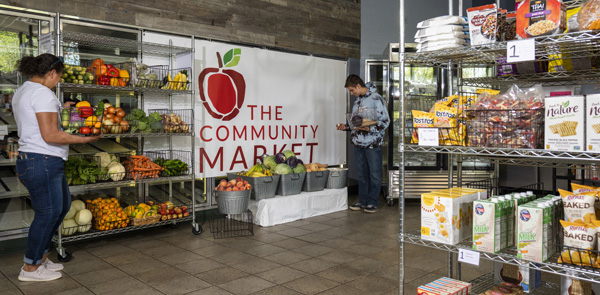
The Community Market offers neighbors fresh, nourishing food through customer-choice pantries in Edwards and Gypsum, six mobile markets, and a range of programs that help people access food in ways that fit their lives. Neighbors can choose the items their households will use, and our team works to make that experience welcoming and dignified.
In fiscal year 2025, The Community Market distributed 1.69 million pounds of food. Today, as many as 6,000 people a week turn to the program. That may mean groceries for a family managing a tight budget, food for a senior who has trouble getting to a store, or a mobile market visit that makes healthy food easier to reach.
Our work also depends on responding to the circumstances people face. Food access can be shaped by work schedules, transportation, language, health, and the rising cost of living. By bringing food into the community and offering choice, The Community Market helps neighbors find support that is practical for them.
Your support made a difference then—and still does now
Last year, many of you gave when SNAP benefits were in the news and families were facing immediate uncertainty. Your generosity helped strengthen The Community Market’s ability to serve neighbors during a demanding time.
If you were one of those first-time donors, we hope you know that your gift mattered. And if you haven’t had a chance to give again, we invite you to renew your support. The need does not always arrive with a headline. It shows up in the ongoing choices families make as they balance groceries with housing, health care, transportation, and other essentials.
A one-time gift helps provide food today. Monthly support helps us plan ahead, keep food available, and respond as needs change. Every gift helps sustain a local resource that neighbors can turn to throughout the year.